
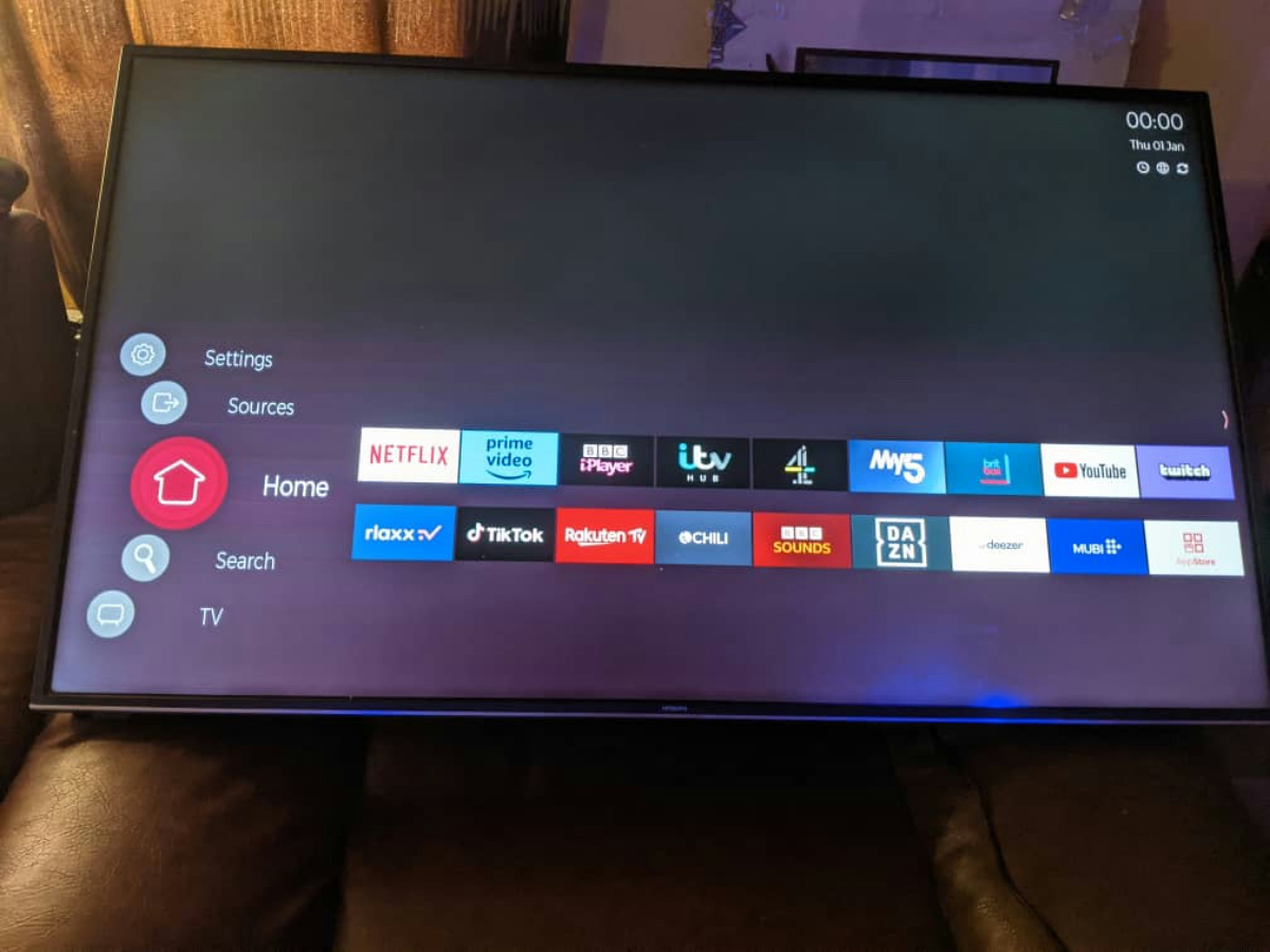
Introduction to IPTV
Internet Protocol Television (IPTV) represents a significant shift in the way television content is delivered and consumed. Unlike traditional television services that rely on satellite or cable signals, IPTV uses internet protocol technology to stream content over the internet. This innovative approach allows for a more flexible and versatile viewing experience for users, as it enables access to a wide array of channels and on-demand content without the limitations often associated with conventional broadcasting methods.
The core technology behind IPTV involves the transmission of audio and video content over Internet Protocol networks. This means that content is sent in packets through internet connections, much like data for web pages and emails. Users can access IPTV services through various devices, including smart TVs, computers, tablets, and smartphones. Furthermore, IPTV can support a range of interactive features such as video on demand (VOD), time-shifted television, and digital video recording (DVR), enhancing the overall viewing experience.
One of the significant advantages of IPTV is its adaptability to different viewing preferences. Subscribers can choose specific channels or packages based on their interests, allowing for a more customized experience compared to traditional broadcast services that often come as bundled packages. IPTV also facilitates high-definition quality and integrates well with multi-device access, ensuring that viewers can watch their favorite programs anytime and anywhere.
In the modern media landscape, where consumers are increasingly gravitating towards on-demand entertainment, IPTV is becoming a vital component. Its ability to offer diverse programming options, interact with user preferences, and deliver high-quality content positions it as a compelling alternative to traditional television models. The growing adoption of IPTV reflects a broader trend towards digitization in media consumption, making it essential for consumers to understand this evolving service.
Understanding How IPTV Works
Internet Protocol Television, commonly known as IPTV, represents a modern method of delivering television content using internet protocols instead of traditional terrestrial, satellite, or cable formats. By leveraging the existing internet infrastructure, IPTV enables viewers to access a vast array of television programming through their broadband internet connection.
The fundamental technology behind IPTV relies on the conversion of television signals into packets of data that can be transmitted over an internet connection. This format allows for greater flexibility in content delivery, as it can accommodate both live broadcasts and on-demand programming. To engage effectively with IPTV services, users generally require a compatible device such as a smart TV, set-top box, or any internet-enabled device capable of receiving and displaying streaming video.
One key aspect of IPTV is its reliance on a robust internet connection, which plays a crucial role in determining the quality and stability of the viewing experience. Typically, a minimum speed of 5 Mbps is recommended for standard definition content, whereas high-definition (HD) streaming often necessitates higher bandwidth, around 10 Mbps or more. As a result, the quality of the internet connection can directly impact the ability to stream content smoothly without interruptions.
Moreover, the distinction between live and on-demand streaming is critical in understanding IPTV. Live streaming allows viewers to watch content in real-time, similar to traditional television broadcasts, whereas on-demand streaming provides access to a library of content that can be watched at the viewer’s convenience. Both methodologies utilize the same foundational technology but cater to different user preferences and viewing habits. Overall, the seamless integration of these elements makes IPTV a flexible choice for modern viewers seeking a customizable television solution.
Types of IPTV Services
IPTV services can be categorized into several types, each catering to different viewing preferences and needs. The primary types include live TV, video on demand (VOD), time-shifted TV, and catch-up TV. Understanding these types helps users select the most suitable option for their entertainment requirements.
Live TV services allow subscribers to watch television programming in real-time, similar to traditional broadcast television. This type is ideal for viewers who wish to stay updated with current events, sports, or live shows. Examples include major sports events and news broadcasts that attract large audiences due to their immediacy.
Video on demand (VOD) services provide users with the flexibility to choose from a library of content that can be watched at their convenience. This includes movies, TV series, and documentaries. Notably, platforms like Netflix and Amazon Prime Video exemplify the VOD model, enabling users to select and watch content based on personal preferences. This service type is increasingly popular, as it allows for binge-watching and tailored viewing experiences.
Time-shifted TV is another vital component of IPTV services that permits viewers to watch shows after they have aired, within a specific timeframe. This feature is beneficial for those with busy schedules, offering the convenience of delayed viewing without missing out on desired content. For example, a user can record a program and watch it later, thus accommodating their individual viewing habits.
Lastly, catch-up TV services are designed to allow users to access previously aired content that may have been missed. Typically, these services offer a limited-time window for viewing past episodes or shows. They are beneficial for audiences who wish to experience content they might have overlooked during the original broadcast.
In summary, each type of IPTV service meets distinct viewer needs, whether it is real-time access, flexible viewing, or the ability to catch up on missed content. By understanding these categories, users can make informed decisions regarding their IPTV subscription choices.
IPTV vs Traditional TV Services
In the contemporary landscape of entertainment consumption, the comparison between Internet Protocol Television (IPTV) and traditional television services, such as cable and satellite, presents a compelling topic for analysis. IPTV utilizes internet protocol technology to transmit television content over the internet, allowing users to access a broader variety of channels and on-demand content than traditional systems typically provide.
One notable advantage of IPTV is its flexibility. Unlike traditional TV services, which bind viewers to a fixed schedule dictated by network programming, IPTV offers the convenience of watching shows on-demand. This feature allows users to choose when and what to watch, fostering a highly customizable viewing experience. Furthermore, IPTV can often include streaming options on multiple devices, supporting a multitude of platforms from smart TVs to tablets and smartphones.
Cost considerations also play a significant role in this comparison. Many IPTV service providers operate on a subscription model, which can potentially reduce expenses when compared to standard cable or satellite packages that may include many channels that users do not consistently watch. Additionally, IPTV services often provide a more varied selection of niche channels, catering to diverse interests.
However, there are drawbacks to using IPTV. A primary concern for users is internet dependency; a stable and high-speed internet connection is essential for optimal performance. Insufficient bandwidth can lead to buffering and decreased video quality, negatively affecting the viewing experience. This dependency on internet service can also lead to complications in areas with limited connectivity.
In summary, while IPTV presents significant advantages in flexibility, content variety, and potential cost savings over traditional TV services, it is crucial to weigh these benefits against the challenges posed by internet reliability and quality concerns.
Popular IPTV Providers
As the demand for IPTV services has surged, several providers have emerged, each with unique features that cater to different viewer preferences. Among the most notable are Hulu + Live TV, YouTube TV, and Sling TV.
Hulu + Live TV is well-known for its extensive library of on-demand content, as well as live television options. Users can access over 75 channels, including popular networks such as ESPN, CNN, and ABC. The platform also offers customizable packages and the option to add premium channels at an additional cost. Reviewers often highlight the seamless integration with Hulu’s extensive catalog of movies and series, providing an appealing option for those who seek both live and on-demand entertainment.
YouTube TV stands out with its sleek interface and unlimited cloud DVR storage, making it easier for users to record their favorite shows. The service offers a competitive lineup of channels, including local stations and major networks. Additionally, YouTube TV allows subscribers to share their accounts with family members, increasing accessibility for multiple users. Feedback from users indicates that the platform is reliable and offers good value for its pricing model, although some report occasional buffering during peak hours.
Sling TV, another popular choice among IPTV users, provides flexible subscription options through its à la carte channel selection. Users can choose the “Sling Orange” or “Sling Blue” packages, or a combination of both, allowing them control over their channel lineup. Notably, Sling TV is often recognized for its affordability, with several promotions available for new subscribers. While the channel selection may not be as comprehensive as other providers, many users appreciate the ability to tailor their viewing experience to their preferences.
These popular IPTV service providers offer various unique features, pricing models, and content availability, allowing potential subscribers to find an option that best fits their needs. It is recommended that users read reviews and consider their viewing habits before making a final decision on an IPTV subscription.
Required Equipment for IPTV
To access IPTV services effectively, certain hardware and software components are essential. The first and foremost piece of equipment is an IPTV set-top box. This device connects to your television and decodes the digital video signal received over the internet. Many IPTV providers offer proprietary set-top boxes, which are often optimized for their service, ensuring a smoother viewing experience. However, there are also generic set-top boxes available that support various IPTV services, giving users flexibility in their choices.
Another important option is a smart TV, as most modern smart TVs come with built-in capabilities to access various streaming services, including IPTV providers. With a smart TV, users can install specific apps related to their IPTV service directly onto the device, eliminating the need for an external set-top box. Smart TVs streamline the viewing experience by integrating multiple entertainment services into a single interface.
Additionally, mobile devices such as smartphones and tablets can serve as effective alternatives for accessing IPTV content. Numerous IPTV applications are available for both Android and iOS platforms, allowing users to stream live TV and on-demand content conveniently. This option is particularly advantageous for viewers who wish to watch content on the go, as these devices provide portability and easy access to a variety of channels.
Finally, it is worth mentioning that a stable internet connection is crucial for a seamless IPTV experience. Whether using a wired connection or Wi-Fi, adequate bandwidth is necessary to avoid buffering and ensure high-quality streaming. In summary, having the right equipment, such as an IPTV set-top box, a smart TV, or even mobile devices, is essential for accessing IPTV services effectively and enjoying a rich viewing experience.
Legal Considerations of IPTV
As the usage of IPTV (Internet Protocol Television) services has surged, understanding the legal ramifications has become increasingly essential. IPTV operates by delivering television content through internet protocols, which necessitates navigating a complex legal landscape that includes copyright laws and licensing agreements.
One of the primary legal concerns surrounding IPTV is copyright infringement. Content creators, such as film studios, television networks, and production companies, hold exclusive rights to their material. Unauthorized distribution of this content via IPTV services can lead to serious legal consequences for both providers and users. It is crucial for anyone considering IPTV to ensure that their chosen service complies with copyright laws by securing the necessary licenses and permissions.
Legitimate IPTV providers typically adhere to licensing agreements that permit them to distribute programming. These providers often pay royalties to content owners, thereby supporting the creators and ensuring that users receive quality content legally. When selecting an IPTV service, consumers should prioritize those that are transparent about their content sourcing and demonstrate compliance with applicable laws.
The importance of choosing legitimate IPTV providers cannot be overstated. Non-compliant services can pose risks, including exposure to malware, additional legal repercussions, and a substandard viewing experience. Furthermore, using illegal IPTV services may expose users to increased scrutiny by regulatory authorities.
Therefore, when pursuing IPTV services, it is recommended to thoroughly research potential providers, read user reviews, and verify their licensing legitimacy. Understanding the legal parameters of IPTV is essential for consumers to enjoy content responsibly while minimizing the risk of infringing on copyright laws. As the world of IPTV evolves, staying informed about these legal considerations will ensure a safer and more satisfying viewing experience.
Troubleshooting Common IPTV Issues
IPTV services, while generally reliable, can sometimes present users with challenges that may disrupt their viewing experience. Common issues such as buffering, poor video quality, and connectivity problems can arise for various reasons. Understanding how to troubleshoot these problems effectively can significantly enhance security and reliability while using IPTV.
One of the most prevalent issues reported by users is buffering. This can often be attributed to insufficient bandwidth from your internet service provider (ISP). To address this, start by checking your internet speed using a speed test tool. Ideally, an upload and download speed of at least 5 Mbps is required for a stable IPTV experience. If your speed is lower, consider upgrading your plan. Alternatively, you can minimize background internet usage during viewing by disconnecting other devices that may be consuming bandwidth.
Poor video quality can also detract from the IPTV experience. This issue may manifest as pixelation, lag, or freezing images. To remedy this, first, check the streaming quality settings in your IPTV application. Ensure that they are set to a level compatible with your current internet speed. Additionally, restarting your IPTV device can help reset any potential glitches that may be affecting video delivery.
Connectivity issues, such as dropped connections, can often be resolved by inspecting the physical connection between your device and the router. Ensure that all cables are securely connected and that there are no visible damages. If you are using Wi-Fi, consider switching to a wired Ethernet connection for increased stability. Furthermore, regularly updating your device’s firmware can prevent compatibility issues that sometimes lead to connectivity drops.
By systematically addressing these common problems with effective troubleshooting techniques, users can improve their overall IPTV service experience, ensuring that interruptions are minimized and viewing remains enjoyable.
The Future of IPTV
The future of Internet Protocol Television (IPTV) appears promising as it strives to adapt to the ever-changing digital landscape. Several technological advancements are anticipated, incorporating innovations such as enhanced streaming quality with 8K resolution, wider adoption of artificial intelligence, and improved user interface designs that focus on personalized viewing experiences. These advancements aim to make IPTV services more engaging and customer-centric, responding to the growing demand for high-quality content delivery.
Consumer preferences are also evolving, with more viewers seeking on-demand content and tailored viewing options. The rise of binge-watching and the decline of traditional appointment-based television viewing indicate a fundamental shift in how audiences engage with media. IPTV providers are capitalizing on these trends by offering diverse library options, interactive features, and the ability to access content across multiple devices seamlessly. This flexibility not only enhances the viewing experience but also ensures that users have control over their entertainment choices.
Furthermore, the integration of social media functionalities within IPTV services may reshape how audiences interact with content. Sharing favorite shows, participating in live discussions, and even accessing supplementary information via integrated platforms can create a more immersive experience. Additionally, the potential development of virtual and augmented reality applications could revolutionize how content is consumed, providing users with a more interactive and engaging environment.
As we look ahead, it will be intriguing to witness how IPTV services will evolve in response to technological advancements and consumer demands. The integration of innovative features, alongside user-friendly tools, is poised to transform the industry. Ultimately, the future of IPTV hinges on the ability to adapt to these changes, ensuring that it remains a relevant and vital part of the digital entertainment ecosystem.