
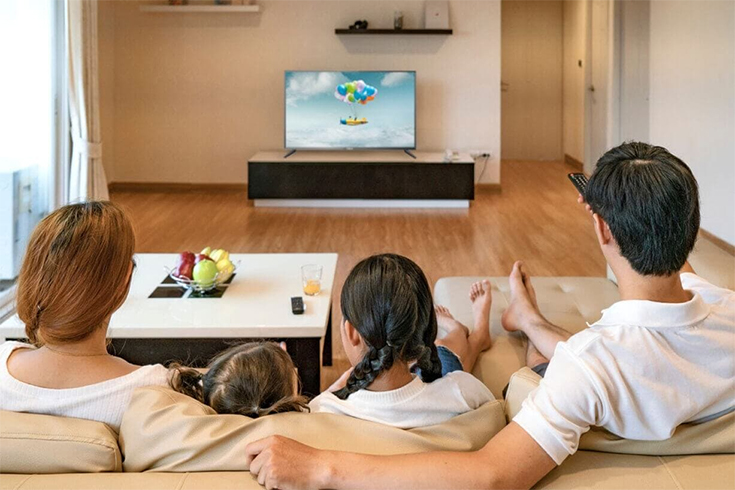
Understanding IPTV: What It Is and How It Works
Internet Protocol Television (IPTV) represents a significant shift in how consumers access television content. Unlike traditional cable and satellite services, which rely on analog or digital signals transmitted via satellite or cables, IPTV uses the internet to deliver live television and on-demand content directly to users’ devices. This technology essentially utilizes standard internet protocols to stream video content, offering a more flexible viewing experience. https://hdmiiptv.com/price-hdmi-iptv/
The process of streaming IPTV involves several key components. First, the content is encoded and sent over the internet using a format that ensures optimal playback. Viewers can access this content through various devices, including smart TVs, computers, tablets, and smartphones, making IPTV a versatile option for modern audiences. Once the user selects a program, their device connects to the IPTV server, allowing for real-time viewing of shows, movies, and other content.
One of the most substantial benefits of IPTV is its extensive range of services. Users can enjoy live TV, where channels are broadcast in real-time, closely resembling traditional cable experiences. Additionally, IPTV offers on-demand content, which allows users to watch programs whenever they choose, along with catch-up TV features that let viewers rewatch programs from earlier broadcasts. This flexibility stands in stark contrast to the limitations often imposed by conventional cable providers.
Moreover, IPTV services can be tailored to individual preferences, enabling users to create a customized viewing experience that aligns with their needs. This adaptability makes IPTV a popular choice for those looking to eliminate traditional cable subscriptions while maintaining access to a wide array of television programming.
Choosing the Right HDMI Device for Your Smart TV
Selecting the appropriate HDMI device for IPTV streaming on your smart TV is crucial to enhancing your viewing experience. With various options available, it is important to consider specific features that will meet your needs. The common types of HDMI devices include streaming sticks, set-top boxes, smart TVs with built-in IPTV capabilities, and even gaming consoles.
Streaming sticks, such as Amazon Fire TV Stick or Roku, are compact and convenient devices that plug directly into the HDMI port of your TV. They offer a user-friendly interface and a plethora of applications, making them an excellent choice for easy access to IPTV services. Additionally, most streaming sticks support HD and 4K resolution, which ensures you can enjoy high-quality content.https://hdmiiptv.com/price-hdmi-iptv/
Set-top boxes are another viable option. These devices, like the Apple TV or Nvidia Shield, provide a more powerful streaming experience with greater processing capabilities. They often come with enhanced features such as voice control, robust app compatibility, and even gaming functionalities. Choosing a set-top box can be beneficial if you are looking for an all-in-one entertainment solution.
Smart TVs with built-in IPTV capabilities may eliminate the need for additional devices altogether. These TVs often have integrated streaming applications and support for various streaming formats. However, it’s crucial to verify compatibility with your preferred IPTV service before making a purchase.
Additionally, gaming consoles like PlayStation and Xbox can serve as IPTV devices. They allow for a dual purpose: gaming and streaming, which may appeal to the avid gamer. Consider the devices’ resolution support, interface usability, and additional features when making your selection. By carefully evaluating these factors, you will be able to choose the right HDMI device to enjoy seamless IPTV streaming on your smart TV.
Setting Up IPTV on Your Smart TV: A Step-by-Step Guide
Setting up IPTV on your Smart TV can greatly enhance your viewing experience by providing access to a wide range of channels without the need for a traditional cable subscription. To begin the installation process, you will first need an HDMI device, such as an IPTV box or a streaming stick, which typically connects directly to the TV.
Start by plugging the HDMI device into the designated HDMI port on your Smart TV. Make sure to note the specific HDMI input, as you will need to select it later using your television’s remote. Once the device is connected, turn on your TV and switch to the correct HDMI input. http://wa.me/447916696718
The next step involves downloading the necessary applications that support your selected IPTV service. Navigate using your remote to the app store available on your Smart TV. Search for the IPTV app recommended by your service provider, or any compatible IPTV app available. Download and install the application to your device.
After the app installation, launch it, and you will likely be prompted to sign up for an IPTV service. You may need to create an account or enter your login credentials if you already have a subscription. Follow the on-screen instructions to finalize your setup. Ensure that your internet connection is stable, as it is crucial for uninterrupted streaming.
Once logged in, familiarize yourself with the user interface of the IPTV application. The layout may vary depending on the provider, but most will display channel categories, on-demand content, and settings. If you face issues during setup, consult the troubleshooting section of the IPTV service’s website or contact their customer support for guidance on common problems like connectivity issues or app errors.
Maximizing Your IPTV Experience: Tips and Tricks
To fully optimize your IPTV streaming experience on a smart TV, several practical tips and tricks can enhance both performance and enjoyment. First and foremost, ensuring a robust internet connection is vital. A minimum speed of 10 Mbps is recommended for HD streaming, while 25 Mbps or higher is ideal for 4K content. To achieve this, consider utilizing a wired connection instead of relying on Wi-Fi, as it provides greater stability and reduces buffering interruptions. http://wa.me/447916696718
Another key aspect is utilizing parental controls if children are using the IPTV service. Most IPTV providers offer settings to restrict access to age-inappropriate content. Familiarizing yourself with these tools can ensure a family-friendly viewing experience while allowing older viewers to explore content without restrictions.
Moreover, exploring add-on services and content libraries available through your IPTV subscription can significantly expand your viewing options. Many IPTV platforms offer additional channels or packages tailored to diverse interests, such as sports, movies, and documentaries. Make sure to browse through these options to discover valuable content that might enhance your experience further.
Security should also be a priority when accessing IPTV services. Use a reputable VPN (Virtual Private Network) to protect your personal information and ensure secure access to content. This measure will not only conceal your IP address but also provide an additional layer of privacy while streaming. Keeping your smart TV’s software and applications updated is essential as well; updates will typically include enhancements and patches that improve both functionality and security against potential vulnerabilities.
By implementing these tips, you can maximize your IPTV experience, ensuring seamless streaming while enjoying a vast array of content securely and efficiently.