
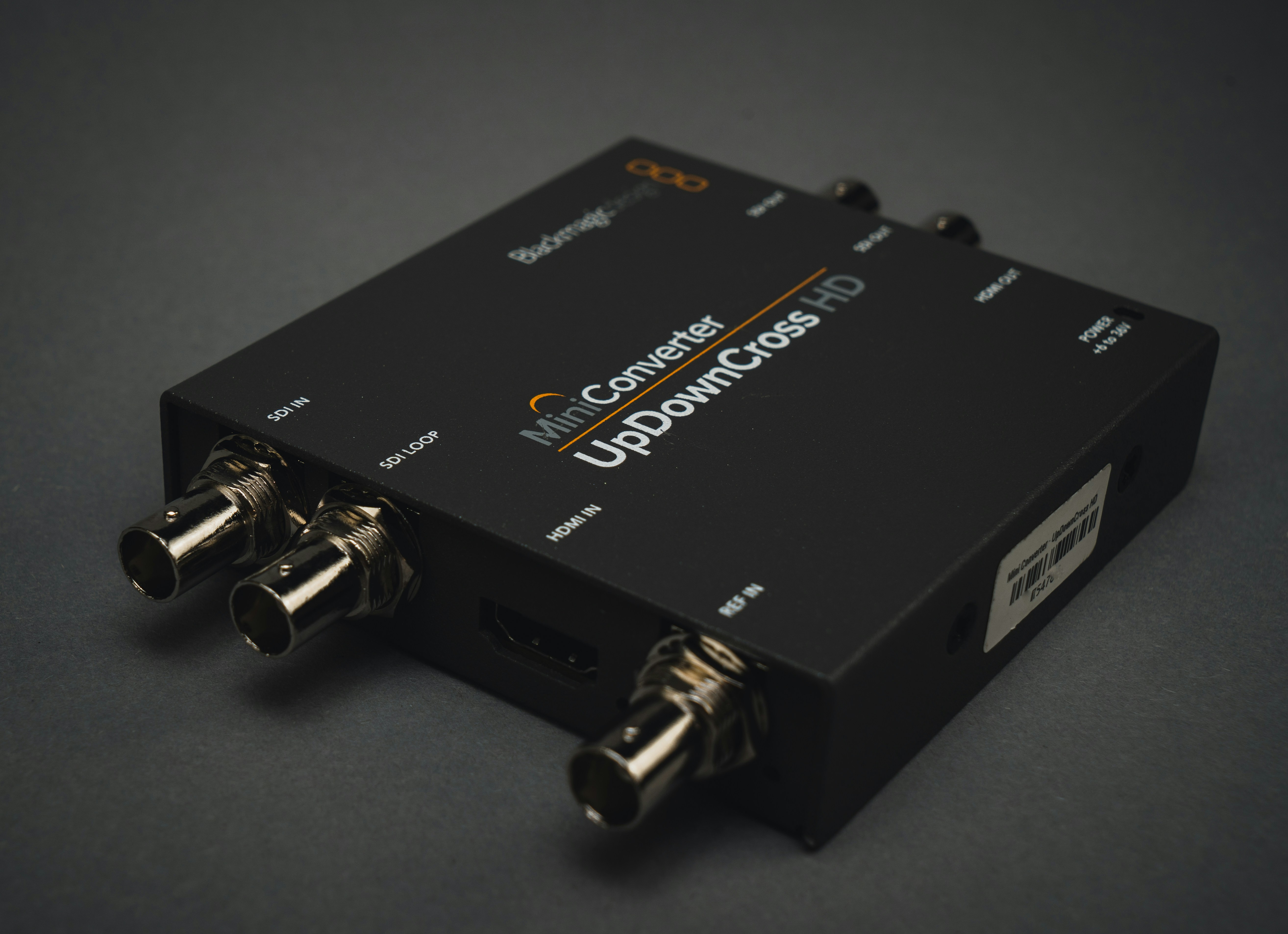
What is an IPTV Encoder Box?
An IPTV encoder box is a pivotal device in the realm of internet protocol television (IPTV). Its primary function is to convert video content into a digital format suitable for streaming over the internet. This conversion process involves encoding analog video signals or raw digital content into formats such as H.264, MPEG-4, or MP2T, which are compatible with various network protocols. By utilizing an IPTV encoder box, service providers can ensure that the video data is compressed and prepared for efficient transmission, allowing viewers to access content seamlessly. https://hdmiiptv.com/
The technology associated with IPTV encoder boxes significantly enhances the broadcasting of live television and video on demand, facilitating a more dynamic viewing experience. In essence, these devices support the backbone of IPTV services, ensuring that high-quality video can be delivered to end-users without lag or buffering issues. They often include features such as multiple input options, error correction, and output versatility, allowing them to cater to a variety of broadcasting needs.
Moreover, the increasing demand for high-definition and ultra-high-definition content has pushed the advancement of IPTV encoder boxes. They are now equipped with advanced encoding capabilities, offering improved compression ratios that maintain video fidelity while reducing bandwidth consumption. This enhancement is crucial as it helps in accommodating multiple streams without compromising the quality of service. Particularly in the USA, where streaming services are on the rise, the role of IPTV encoder boxes is more critical than ever, as they enable content providers to deliver rich viewing experiences to their consumers efficiently. https://hdmiiptv.com/
How IPTV Encoder Boxes Work
IPTV encoder boxes are essential components in the infrastructure of Internet Protocol Television (IPTV) services. These devices serve the primary function of converting video content into a digital format conducive for streaming over the internet. Essentially, the IPTV encoder box captures video input, processes it, and transmits it to viewers through various devices, including smart TVs, tablets, and computers.
The encoding process involves several stages, beginning with the capture of video data, which can originate from different sources such as live broadcasts, pre-recorded content, or even surveillance feeds. Once the video has been captured, the IPTV encoder box applies specific video codecs. Commonly supported formats include H.264, H.265, and MPEG-2, each offering different attributes in terms of compression efficiency and quality. The compression method plays a crucial role in determining the performance of the streaming service, as it directly impacts bandwidth usage and the speed of content delivery.
Integration with other streaming technologies is another vital aspect of how IPTV encoder boxes function. They utilize Transport Stream protocols to ensure that encoded data can be efficiently sent and received over IP networks. Additionally, the boxes can interface with various middleware, content delivery networks (CDNs), and digital rights management (DRM) systems, which all contribute to a seamless viewing experience for end users. Furthermore, the ability of the IPTV encoder box to support adaptive bitrate streaming allows for dynamic adjustments of video quality based on the viewer’s internet connection, thereby optimizing user experience.
In summary, IPTV encoder boxes employ sophisticated technology to ensure high-quality video streaming by converting and compressing video content, supporting various formats, and interacting effectively with other platforms and technologies. http://wa.me/447916696718
Benefits of Using IPTV Encoder Boxes
IPTV encoder boxes have revolutionized content delivery within the broadcasting and streaming sectors. One of the primary advantages they provide is enhanced video quality. By employing advanced compression technology, these devices ensure that content is transmitted in high-definition, thereby delivering a superior viewing experience for end users. This improvement in quality not only elevates audience satisfaction but can also contribute to higher viewer retention rates.
Another significant benefit is the reduction in bandwidth usage. IPTV encoder boxes are designed to optimize bandwidth efficiently while streaming high-quality content. This leads to significant savings for service providers and allows them to offer more channels without compromising on quality or speed. The ability to deliver content seamlessly while using less bandwidth makes IPTV solutions more viable, especially in regions with limited internet infrastructure. http://wa.me/447916696718
Cost-effectiveness is a crucial factor driving the adoption of IPTV encoder boxes. These devices allow service providers to reduce their operational costs by minimizing the need for extensive hardware and infrastructure traditionally required for broadcasting. Furthermore, as they integrate with various existing systems, they present a scalable solution that can grow with a service provider’s requirements, making them a financially sound investment.
Flexibility in content delivery is another prominent advantage. IPTV encoder boxes support a myriad of formats and protocols, enabling service providers to reach audiences across multiple devices and platforms. This adaptability fosters innovation and allows for customized content delivery, improving overall viewer engagement.
Lastly, the presence of an IPTV encoder box enhances the user experience by offering features such as on-demand viewing, interactive content options, and advanced viewing features like pause and rewind. Overall, IPTV encoder boxes significantly enhance the content delivery experience.
Types of IPTV Encoder Boxes Available in the USA
In the realm of IPTV services, various types of encoder boxes cater to different broadcasting needs, enabling seamless streaming of video content across networks. The three primary categories of IPTV encoder boxes available in the USA include standalone encoders, integrated solutions, and software-based options. Each type serves distinct requirements, thus providing flexibility for broadcasters of varying scales.
Standalone encoders are dedicated hardware devices designed to convert video signals into formats suitable for IPTV transmission. They are often employed by smaller broadcasters or individual content creators who require a straightforward and effective solution. These devices typically offer simple setup processes and reliable performance, making them an excellent choice for producing high-quality, live streaming content without the complexities of more extensive systems.
Integrated solutions, on the other hand, combine the functionalities of the IPTV encoder box with additional features such as switching, graphics, and other broadcasting tools. These systems are ideal for medium to large-scale broadcasters who need a more comprehensive setup. Integrated solutions streamline the workflow by combining multiple processes into a single unit, thus enhancing efficiency and reducing the need for separate equipment.
Lastly, software-based options represent a growing trend in the IPTV encoder market. These solutions run on standard computer hardware, utilizing software applications to encode video content. They offer significant flexibility and scalability, making them suitable for both startups and established broadcasters who may need to adapt their setups according to evolving needs. Users can often customize these solutions to a greater extent compared to hardware encoders, catering to specific streaming requirements.
Key Features to Look for in IPTV Encoder Boxes
When considering an IPTV encoder box, several critical features should be evaluated to ensure it meets your specific needs. First, the number of outputs is significant, as it determines how many simultaneous streams can be delivered. For businesses or service providers that aim to broadcast to multiple devices, a box with multiple output options is advantageous, allowing for versatile distribution scenarios.
The range of input formats is another essential factor. Some IPTV encoder boxes support various input formats, including HDMI, SDI, and analog, which provides flexibility in integrating different video sources. This versatility is particularly useful for environments with existing diverse hardware setups and can simplify the encoding process.
User interface is a critical consideration for ease of use. A well-designed interface can enhance user experience, enabling quick adjustments and settings management without steep learning curves. Many modern IPTV encoders offer intuitive controls and detailed monitoring options, which can significantly streamline the workflow and reduce operational hurdles.
Adaptability for different network standards is crucial, particularly when planning for expansion or changes in streaming technology. Ensure the IPTV encoder box is compatible with a range of protocols, such as HLS, MPEG-DASH, or RTMP, allowing seamless integration with streaming platforms and services.
Lastly, compatibility with existing systems should be carefully assessed. An IPTV encoder box that easily integrates into your current hardware infrastructure can save time and investment. Ensuring that the box can work alongside your existing content delivery networks (CDNs) and broadcasting tools will enhance overall operational efficiency.
Top IPTV Encoder Box Brands in the USA
The IPTV encoder box market in the USA is populated by several reputable brands, each offering unique features and capabilities to cater to various needs. Among the most prominent manufacturers is Harris Broadcast, renowned for its high-quality encoders that are frequently utilized by broadcasting companies. Their products are characterized by excellent video quality and reliability, making them highly regarded in the industry.
Another notable brand is Matrox, known for its professional-grade IPTV encoder boxes that provide robust video encoding solutions. Users appreciate Matrox’s attention to detail in video processing and the versatility that allows seamless integration with other systems. Their customer service and support are also frequently highlighted in user reviews, solidifying their strong reputation among broadcasters.
AJA Video Systems also deserves mention for their innovative approach to IPTV encoding. They offer a diverse range of encoders that suit both professional and commercial use. AJA’s products are often praised for their user-friendly interfaces and exceptional performance under various operating conditions. Many customers have lauded the dependability of their devices, which is a critical aspect for any broadcaster or internet service provider.
Lastly, Blackmagic Design has made a significant footprint in the IPTV encoder landscape with affordable prices and high-performance products. They focus on delivering powerful encoding systems for streaming applications while maintaining an accessible price point. Customer feedback often points to their intuitive designs and value for money.
These brands—Harris Broadcast, Matrox, AJA Video Systems, and Blackmagic Design—stand out in the evolving IPTV encoder box market, continuously pushing the envelope to meet consumer demands while maintaining high standards of quality and performance.
Comparing Prices of IPTV Encoder Boxes
In the diverse market of IPTV solutions in the USA, prices for IPTV encoder boxes can vary significantly based on several factors. On average, consumers can expect to find IPTV encoder boxes ranging from $100 to $1,500 or more, depending on their functionalities and specifications.
One of the primary factors influencing the price of an IPTV encoder box is the technology employed within the device. Advanced technologies, such as 4K streaming capabilities and multiple channel encoding, tend to command higher prices. Conversely, entry-level boxes with basic features, suitable for casual users, are typically more affordable. Additionally, the brand reputation plays a significant role, with established brands often priced higher due to their perceived reliability and customer support.
Moreover, features such as mobile streaming, cloud recording, and integration with other home entertainment systems can raise the cost of an encoder box. For example, a device that supports multi-device streaming may be priced higher than a standard box due to its enhanced functionality and user experience.
It’s also important to consider the model of the IPTV encoder box when comparing prices. Some brands may offer several versions with incremental improvements, leading to a tiered pricing structure. This means that potential buyers should evaluate their specific needs to make informed purchasing decisions. Consulting reputable reviews and user feedback can also lead to better understanding the value each box provides relative to its cost.
In summary, while cost is an essential consideration, potential buyers of IPTV encoder boxes in the USA should also weigh the various features, technologies, and brand reputations to find the right balance between price and functionality. http://wa.me/447916696718
Applications of IPTV Encoder Boxes
The IPTV encoder box serves a critical function across various sectors, enhancing how content is delivered and experienced. One of the key industries leveraging these devices is broadcasting. In television networks, IPTV encoder boxes facilitate the seamless transmission of live programming and on-demand content directly to viewers’ devices. This advancement not only ensures high definition and reliable streaming quality but also enables broadcasters to reach a wider audience through internet protocols.
Educational institutions are increasingly adopting IPTV technology to deliver learning materials. IPTV encoder boxes allow schools and universities to broadcast lectures, educational programs, and events live to students from different locations. This capability has proven invaluable, especially in hybrid learning environments where flexibility and accessibility are paramount. By integrating these encoder boxes, educational entities can enhance student engagement and provide remote learners with real-time access to educational content.
In the corporate world, private enterprises utilize IPTV encoder boxes to secure communication and information dissemination. Companies can broadcast live meetings, internal training sessions, or important announcements to their employees regardless of geographical barriers. This not only fosters a more inclusive workplace culture but also increases productivity by ensuring that critical information is readily available. Furthermore, IPTV systems can be tailored to integrate with existing corporate networks, thus modernizing internal communications while minimizing disruptions.
In summary, IPTV encoder boxes are versatile tools that find utility in broadcasting, education, and corporate communications. By enhancing content delivery methods, these devices help organizations across industries improve engagement, accessibility, and overall operational efficiency.
Future Trends in IPTV Encoding Technology
The landscape of IPTV encoding technology is rapidly evolving, driven by advancements in artificial intelligence (AI), the growing demand for 4K streaming resolutions, and the transformative capabilities of 5G technology. These factors are reshaping how content is delivered and consumed across various platforms.
AI plays a pivotal role in enhancing the efficiency and quality of IPTV encoder boxes. By utilizing machine learning algorithms, these devices can optimize encoding processes, thereby reducing latency and improving overall video quality. Furthermore, AI can support predictive analytics, enabling IPTV service providers to anticipate user preferences and tailor content delivery accordingly. The automation capabilities afforded by AI contribute significantly to operational efficiency, allowing for more streamlined workflows in content management.
As consumer preferences shift towards high-definition content, the demand for 4K streaming continues to rise. IPTV encoder boxes are increasingly being designed to support ultra-high-definition (UHD) formats, ensuring that viewers can enjoy a superior viewing experience. The transition to 4K not only enhances the visual quality of broadcasts but also necessitates the development of advanced encoding techniques to manage the larger file sizes associated with UHD content. Providers must invest in robust encoding solutions that can handle the complexity of 4K video, absorbing the associated infrastructure costs while meeting consumer expectations.
Finally, the advent of 5G technology is set to revolutionize IPTV services. With significantly higher bandwidth capabilities, 5G allows for faster and more reliable streaming experiences. IPTV encoder boxes that leverage 5G connectivity can deliver dynamic content to consumers with minimal buffering. This means that service providers can expand their offerings, including live events and interactive programming, while maintaining high-quality streaming standards. The integration of 5G technology into IPTV systems can potentially reshape market strategies as providers adapt to new opportunities for content delivery.