
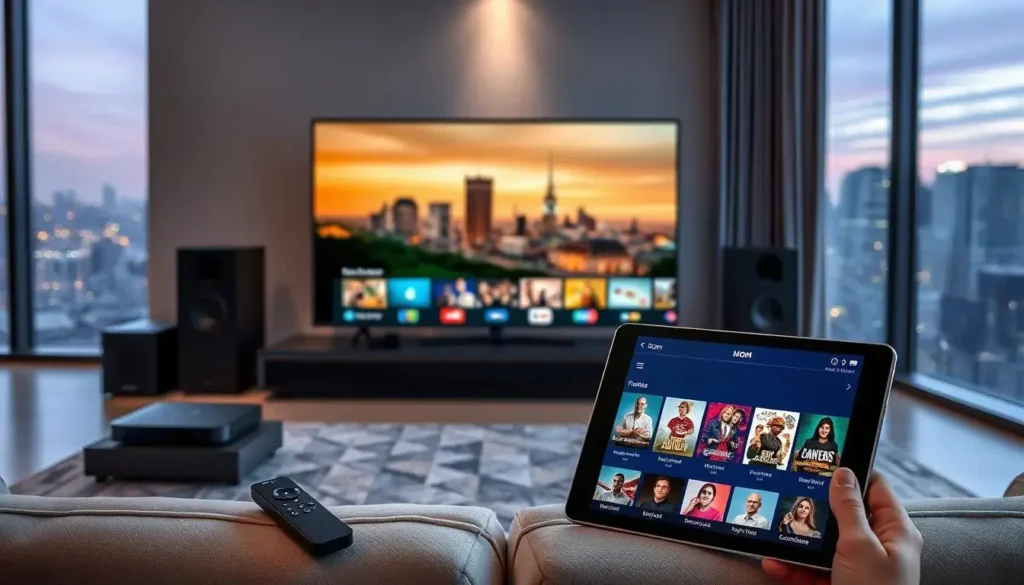
Understanding IPTV and HDMI Devices
IPTV, or Internet Protocol Television, is a modern method of delivering television content to viewers via the Internet, as opposed to traditional terrestrial, satellite, or cable broadcasts. Unlike conventional broadcasting methods that rely on specific frequency bands, IPTV utilizes internet protocols to transmit television programming and video on demand directly to consumer devices. This innovative approach allows for greater flexibility, choice, and interactivity, allowing viewers to watch what they want, when they want.
One key difference between IPTV and traditional television is the way content is processed. Traditional broadcasting sends signals over the air or through cables, while IPTV delivers content through a secure internet connection. This requires a stable and fast internet connection to ensure a seamless viewing experience without interruptions or buffering. For those considering making the switch, understanding the equipment necessary for accessing IPTV is essential. https://hdmiiptv.com/price-hdmi-iptv/
Devices that support IPTV typically include models with HDMI compatibility, which allows users to connect their devices easily to high-definition TVs. Examples of these HDMI-enabled devices include smart TVs, which come with built-in applications for streaming services, and external streaming sticks like Roku, Amazon Fire Stick, or Google Chromecast, which connect to the TV and allow access to various IPTV services. Additionally, set-top boxes specifically designed for IPTV can also provide a comprehensive solution for enjoying a wide array of channels and content.
In summary, IPTV represents a significant evolution in how television content is consumed, relying on the internet for delivery and requiring appropriate HDMI devices for optimal viewing. As streaming technology continues to improve, the quality and variety of IPTV offerings will undoubtedly enhance the viewer experience.
Choosing the Right IPTV Service for Your Needs
Selecting the appropriate IPTV service is critical for enhancing your viewing experience. Various factors come into play when choosing the ideal service that aligns with your entertainment requirements and preferences. The first aspect to consider is the channel offerings. Ensure that the IPTV provider offers a wide array of channels, catering to your tastes, whether you prefer sports, movies, news, or international programming. A well-rounded channel line-up can significantly improve user satisfaction. https://hdmiiptv.com/price-hdmi-iptv/
Another crucial factor is video quality. High-definition streaming is becoming a standard expectation among viewers, so ensure that the IPTV service you choose supports 1080p or 4K resolution if you have a compatible device. Additionally, assess the streaming reliability and buffer frequency, as interruptions can affect viewer enjoyment.
The user interface of the IPTV application plays a pivotal role in usability. Look for services that provide an intuitive and easy-to-navigate interface; this will make it easier for you to find programs and channels. Consider trying out apps that allow scrolling through channels seamlessly and offer convenient features like catch-up TV and on-demand content.
Customer support is another vital aspect to verify when choosing an IPTV provider. Reliable customer service can provide peace of mind and assistance in resolving any issues that may arise. Look for providers with multiple contact methods, including live chat, email, or phone support.
Lastly, pricing plans vary widely among IPTV providers; hence, it’s important to explore your options. Compare the cost against the channel offerings and service features. Many providers offer trials or demos, allowing potential customers to test their services before committing long-term. Taking advantage of these temporary subscriptions can help you identify which IPTV service genuinely meets your needs.
Setting Up IPTV on Your HDMI Device
Setting up IPTV on your HDMI-enabled device can open new avenues for enhanced entertainment. This step-by-step guide will assist you in the process, ensuring a seamless viewing experience. The first step involves ensuring your device is internet-connected, whether through Wi-Fi or an ethernet cable. A stable connection is essential to facilitate a smooth streaming experience. http://wa.me/447916696718
Next, access your device’s app store. Depending on the device, you might find built-in features or need to download specific applications tailored for IPTV services. Popular platforms, such as Android TV, Smart TVs, or streaming devices like Roku and Amazon Fire Stick, usually support these applications. Search for reputable IPTV apps that align with the service you are subscribed to. After downloading, install the application on your device.
Once the app is installed, launch it, and you will be prompted to enter your IPTV service credentials. These credentials typically include a username, password, and sometimes a server URL. Accurate entry of these details is crucial, as it validates your access to the IPTV content. Once you input your credentials, the application should authenticate your account, granting you access to various channels and content.
As you explore the app, you may have options to customize your channel selection. This could involve adding favorite channels or navigating through categories based on genres. After customizing your setup, run a test to ensure that channels are working appropriately. If you encounter any difficulties during this process, referring to the app’s help section or troubleshooting guides can be helpful. Follow these steps, and you will be on your way to enjoying IPTV through your HDMI device.
Tips for Optimizing Your IPTV Experience
To ensure a seamless and enjoyable IPTV viewing experience, several factors must be considered. One of the most crucial is internet speed. The quality of the streaming largely depends on how fast your internet connection is. Ideally, you should have a broadband connection with a minimum speed of 10 Mbps for standard definition and at least 25 Mbps for high definition IPTV streams. You can test your internet speed using various online tools, and if speed issues persist, consider upgrading your internet plan or switching to a more reliable service provider.
Managing bandwidth is another critical aspect. If multiple devices are connected to your home network and consuming large amounts of data simultaneously, it may diminish the quality of your IPTV streams. To mitigate this, try limiting the number of active devices during peak usage times or prioritize your IPTV streaming device within your router’s settings. Some routers also offer Quality of Service (QoS) settings that help allocate bandwidth more efficiently to specific services. http://wa.me/447916696718
Using a Virtual Private Network (VPN) can significantly enhance your IPTV experience, especially when accessing geo-restricted content. A reliable VPN can provide privacy and security while allowing you to bypass regional restrictions for channels and content that may not be available in your location. Ensure you select a high-speed VPN with a solid reputation to maintain streaming quality.
Device security is paramount. Always keep your IPTV applications and devices updated to safeguard against vulnerabilities. Additionally, consider organizing your favorite channels for easy access and exploring built-in features such as pause, rewind, and recording options. These functionalities enhance the flexibility of your IPTV experience, enabling you to enjoy content at your convenience. By implementing these tips, you can significantly improve the overall quality of your IPTV streaming experience.