
Understanding IPTV and HDMI Connections
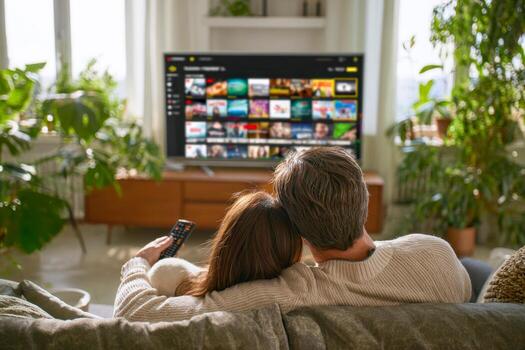
Internet Protocol Television (IPTV) is a modern streaming service that allows users to access television content via the internet, rather than through traditional methods such as satellite or cable. By utilizing internet protocols, IPTV transmits video data as digital packets over broadband networks, making it possible for users to enjoy a diverse range of channels, on-demand content, and customized viewing experiences. This system contrasts sharply with conventional cable services, which rely on coaxial cables for transmission, potentially limiting accessibility and user-friendliness. https://hdmiiptv.com/price-hdmi-iptv/
One of the key features that enhance the IPTV experience is the use of High-Definition Multimedia Interface (HDMI) connections. HDMI technology is renowned for enabling high-quality audio and video transmission, which is crucial for a satisfactory streaming experience. By implementing HDMI cables, users can connect their devices – such as smart TVs, set-top boxes, and computers – to their televisions, ensuring that the high-definition content transmitted through IPTV is reproduced faithfully on the screen with minimal loss of quality.
The primary advantage of using HDMI connections with IPTV lies in the ability to support high resolutions and advanced audio formats, making them ideal for viewing high-definition programming. Furthermore, HDMI cables are capable of transmitting both audio and video signals through a single cable, which simplifies connectivity and reduces clutter. This streamlined setup enhances user convenience and increases the likelihood that viewers will engage with their favorite programming, thus maximizing the benefits inherent in IPTV solutions.
In summary, IPTV provides a flexible and efficient way to consume television content over the internet, while HDMI connections facilitate the delivery of high-quality media, elevating the viewing experience to new heights. Understanding the interplay between these technologies is essential for anyone looking to optimize their use of IPTV. https://hdmiiptv.com/price-hdmi-iptv/
Equipment Required for IPTV Setup
To successfully set up your IPTV service using an HDMI connection, specific equipment is essential to ensure a seamless viewing experience. First, you will need a reliable streaming device that supports IPTV applications. Possible options include smart TVs, which come with built-in apps, or set-top boxes like Roku, Amazon Fire TV, or Nvidia Shield. These devices are equipped to handle high-resolution content and ensure smooth streaming.
Next, an HDMI cable is crucial as it carries the audio and video signals from your streaming device to your television. When selecting an HDMI cable, opt for a high-speed version, especially if you’re planning to stream in 4K Ultra HD. High-speed cables support higher resolutions and frame rates, providing a better overall image quality and minimizing lag during playback.
In addition to the primary devices, a high-speed internet connection is critical for IPTV. A minimum bandwidth of 25 Mbps is recommended for HD streaming, while 50 Mbps or higher is preferable for 4K content. Ensure your home network is capable of supporting these speeds, whether through a wired Ethernet connection or a robust Wi-Fi setup.
Additional equipment that may enhance your IPTV experience includes HDMI splitters or switches when connecting multiple devices to your TV. This could be especially useful if your television has limited HDMI ports. Similarly, adapters might be necessary if your streaming device or TV has different port types (for example, if you need to connect a device with a USB-C output to an HDMI port).
Lastly, choosing the right IPTV service is crucial. Opt for a service that is known for its reliability and wide channel selection, and ensure it is compatible with your chosen HDMI devices to enjoy uninterrupted services and a diverse viewing experience.
Step-by-Step Guide to Configuring IPTV with HDMI
Setting up your Internet Protocol television (IPTV) using an HDMI connection is a straightforward process. By following this step-by-step guide, you will be able to easily configure your IPTV system, ensuring a smooth viewing experience. First, ensure that you have all necessary equipment: an IPTV device, an HDMI cable, and a compatible television or monitor.
Start by connecting one end of the HDMI cable to the HDMI output port on your IPTV device. Carefully insert the other end into one of the HDMI input ports on your television or monitor. It is important to note which HDMI port you are using, as you will need this information later to switch the input source on your TV.
Once the HDMI cable is firmly connected, power on your television and your IPTV device. Using your television remote, press the Input or Source button to cycle through the available ports until you find the one corresponding to the HDMI port you selected earlier. This action will allow the TV to display content from the IPTV device. http://wa.me/447916696718
Now that you have the video connection established, the next step involves signing up or logging into your IPTV service. If you do not already have an account, visit the provider’s website or application on your IPTV device, and follow the prompts to create a new account. If you already have an account, simply enter your username and password to log on.
During this process, if you encounter any issues, such as a blank screen or failure to log in, double-check the HDMI connections and ensure that your IPTV device is properly configured and connected to the internet. In some cases, restarting the IPTV device or the television may resolve connectivity issues. By following these steps, you should be well on your way to enjoying your IPTV service via the HDMI connection.
Tips for Optimizing Your IPTV Experience
To fully enjoy IPTV through an HDMI connection, it is essential to optimize your setup for the best viewing experience. One of the primary aspects to focus on is the configuration of your TV’s picture and sound settings. Most modern TVs come equipped with multiple presets for video quality. It is advisable to select the mode that best suits your viewing environment. For instance, to enhance clarity and vividness, you might consider settings like ‘Movie’ or ‘Dynamic’ mode. Furthermore, adjusting the sound settings to enable surround sound features can significantly augment the auditory experience when streaming content.
Equally important is ensuring a stable internet connection. When using IPTV services such as BestBuy IPTV, you will need to evaluate your internet speed and reliability. A wired connection via Ethernet is generally recommended for a more consistent experience, especially when streaming high-definition content that is bandwidth-intensive. If a wired connection is not feasible, ensure that your Wi-Fi signal is strong and that your router is sufficiently located to minimize obstacles and interference. You may also wish to limit the number of devices connected to your network while streaming, as this can enhance bandwidth availability.
To mitigate issues such as lag and buffering, consider using devices that support channel scanning or those that come equipped with high processing power. Utilizing features offered by BestBuy IPTV enhances the user experience—multi-screen viewing allows for flexible entertainment options, and personalized content recommendations help in discovering new programs. Additionally, parental controls provide a vital feature that helps families manage content accessibility for all members. These optimizations will undoubtedly contribute to a more enjoyable IPTV experience overall. http://wa.me/447916696718